Scaling a Middle East tour business in 2026 means handling photo capture and delivery across many locations without manual bottlenecks. Centralized, AI-driven photo sorting and delivery lets multi-location travel brands give every tourist their photos instantly.
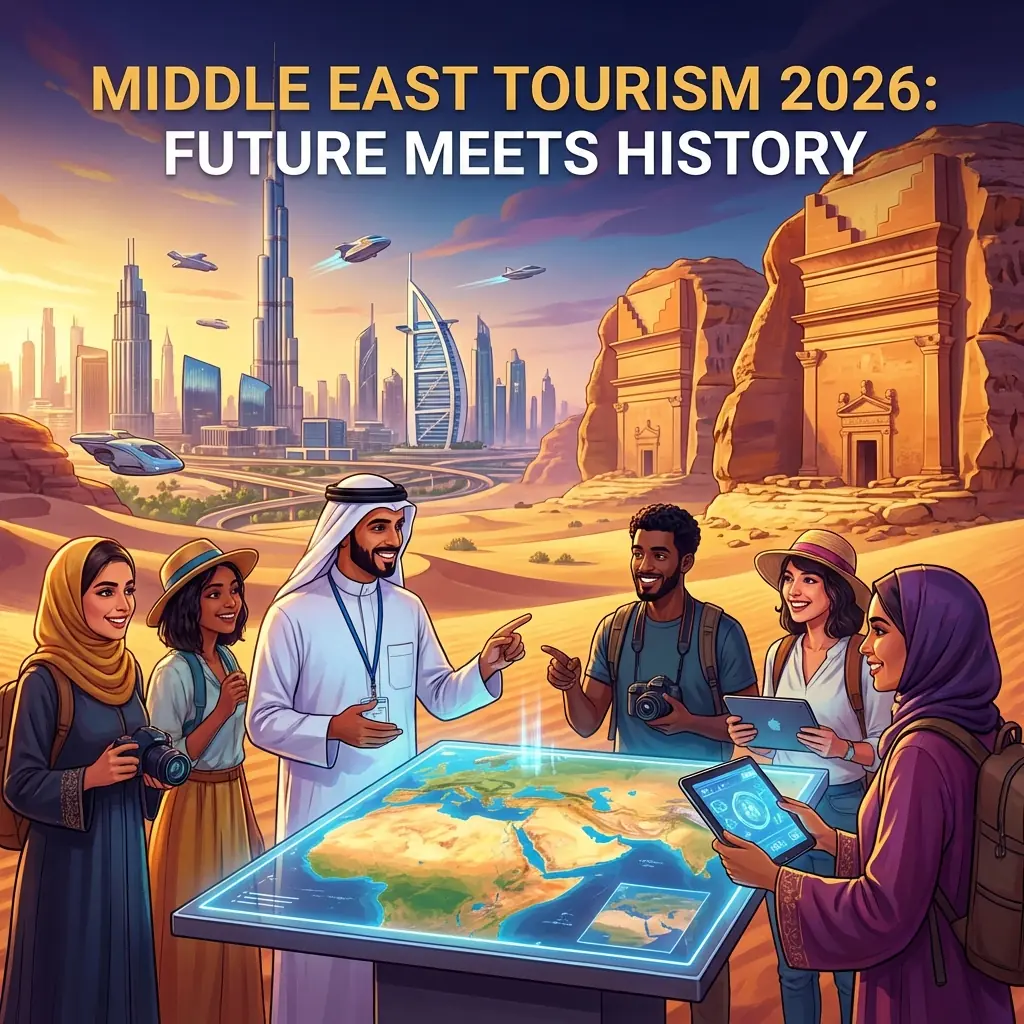
The Middle East is currently experiencing a tourism renaissance. From the futuristic, neon-lit skyline of Dubai to the ancient, wind-swept wonders of AlUla in Saudi Arabia, and the rugged, breathtaking peaks of Northern Pakistan, the region is attracting record numbers of global travelers. For tour organizers, this boom represents a once-in-a-generation opportunity. But it also brings unprecedented challenges.
The modern traveler in 2026 is different. They are hyper-connected, experience-hungry, and culturally curious but demanding. They don't just want to see the sights; they want to feel them, capture them, and share them instantly. Managing complex logistics across borders, navigating delicate cultural nuances, and meeting these high digital expectations requires a completely new playbook.
In this comprehensive guide, we will explore the essential strategies you need to scale your tour business in this dynamic region. We’ll cover the operational fundamentals that keep your tours running smoothly, the cultural intelligence required to create authentic experiences, and finally, the technological edge that will separate the market leaders from the rest.
Part 1: Mastering 'Cultural Intelligence' (The Soft Skills)
The Middle East is not a monolith. It is a rich tapestry of cultures, traditions, and varying degrees of conservatism. A strategy that works perfectly in the cosmopolitan hubs of Dubai or Doha might be completely inappropriate or even offensive in Riyadh, Muscat, or rural Pakistan. Successful organizers possess deep 'Cultural Intelligence.'
Understanding Local Nuances
Your role as an organizer is to be the bridge between the visitor and the local culture. This goes beyond just language translation. It involves educating your guests on:
- Dress Codes: Be explicit but polite. Explain why modesty is valued in certain areas (like visiting mosques or conservative neighborhoods) rather than just enforcing rules.
- Prayer Times: In many countries, the flow of the day is dictated by prayer times. Build your itinerary around these moments rather than fighting them. Use them as 'quiet time' breaks or opportunities for guests to rest.
- Photography Etiquette: This is crucial. In many parts of the Middle East, taking photos of strangers especially women without explicit permission is a serious breach of privacy and etiquette. Train your guests on where they can and cannot point their cameras.
💡 Pro Tip: The Digital Guidebook
Don't rely on a verbal briefing at the airport. Create a digital 'Know Before You Go' PDF or app for each specific destination. WhatsApp this to clients 48 hours before the trip. Include photos of appropriate attire and simple phrases in Arabic or Urdu. It reduces anxiety and builds trust before they even land.
Part 2: Logistics & Operations (The Hard Skills)
You can have the best cultural insights in the world, but if the bus is late or the hotel booking is lost, your reputation tanks. Logistics in the Middle East can be unpredictable due to traffic, heat, or border bureaucracy. Operational excellence is your safety net.
The 'Buffer Time' Rule
Traffic in Cairo is legendary. Border crossings into Oman can take 30 minutes or 3 hours. Heat exhaustion in July is a real risk. Smart organizers build significant 'buffer time' into their itineraries. Never schedule events back-to-back without a 45-minute window for delays. An itinerary that looks efficient on paper often fails in practice. A relaxed tour is a successful tour.
Hydration & Comfort as a Service
It sounds simple, but in desert climates, premium hydration is a luxury service. Don't just hand out warm plastic bottles. Invest in high-quality coolers on your buses. Offer cold towels scented with rose water after a desert trek. These small, low-cost touches are what guests mention in 5-star TripAdvisor reviews.
Part 3: The 'Instagrammability' Factor
Let’s be honest: for the modern traveler, if it’s not on Instagram or TikTok, it didn’t happen. This behavior isn't vanity; it's how people document their lives. Your tour isn't just about the history; it's about the photo op.
To grow your business, you need to design your tours with photography in mind:
- ✓Scout the 'Hero Shots': Identify the exact spot at Petra, the Burj Khalifa, or Fairy Meadows where the lighting is best. Mark these on your guide's map.
- ✓Time it Right: Schedule visits to iconic locations during 'Golden Hour' (sunrise or sunset) whenever possible. Avoid the harsh noon sun for key landmarks.
- ✓Train Your Guides: Your tour guides should know how to take a decent photo. A guide who knows how to frame a shot for a couple is infinitely more valuable than one who just recites dates.
Part 4: How Lenzeit Supercharges Your Growth
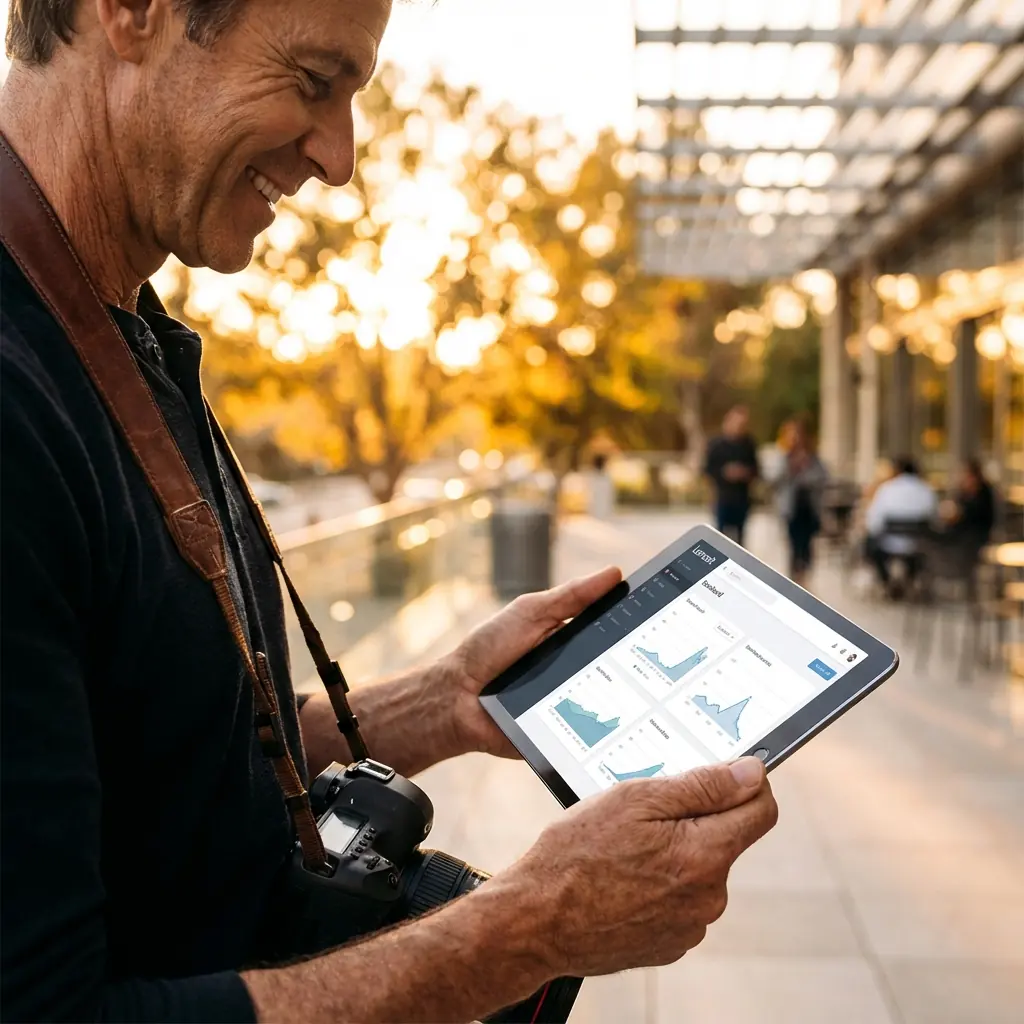
This is where technology separates the amateurs from the market leaders. Photography is the single biggest friction point in group tours. Guests constantly ask guides to take photos, hand over their phones (a liability risk), and then nag them for days to send group shots via WhatsApp.
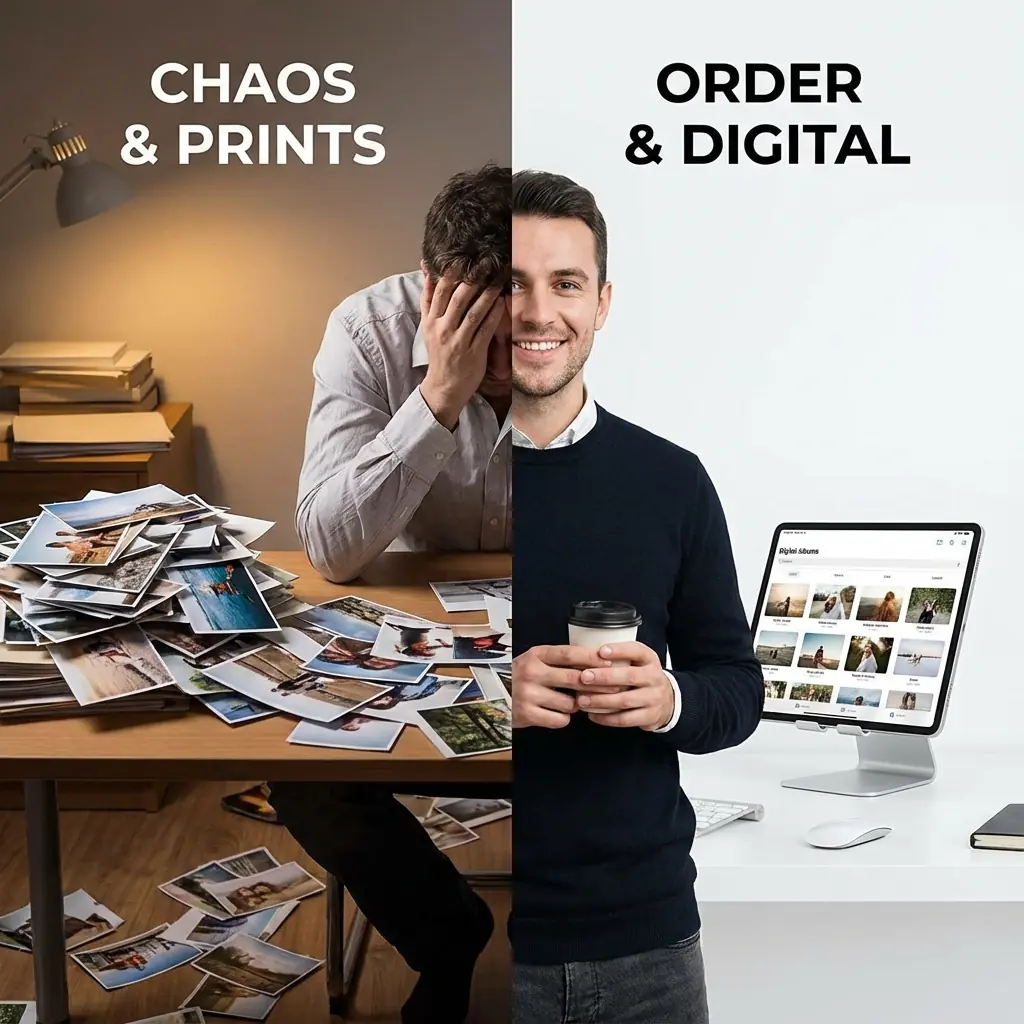
The old way of dumping 2,000 unedited photos into a WhatsApp group or a Google Drive folder is a disaster. It compresses quality, violates privacy, and frustrates guests who have to scroll through hundreds of strangers to find themselves.
Lenzeit eliminates this friction and turns photography into your most powerful competitive advantage.
1. Solve the 'Privacy' Problem Instantly
In the Middle East, privacy is paramount. You simply cannot dump photos of a mixed group especially one containing women or families into a public folder accessible by everyone on the tour. This is a cultural red line for many high-net-worth clients from the GCC.
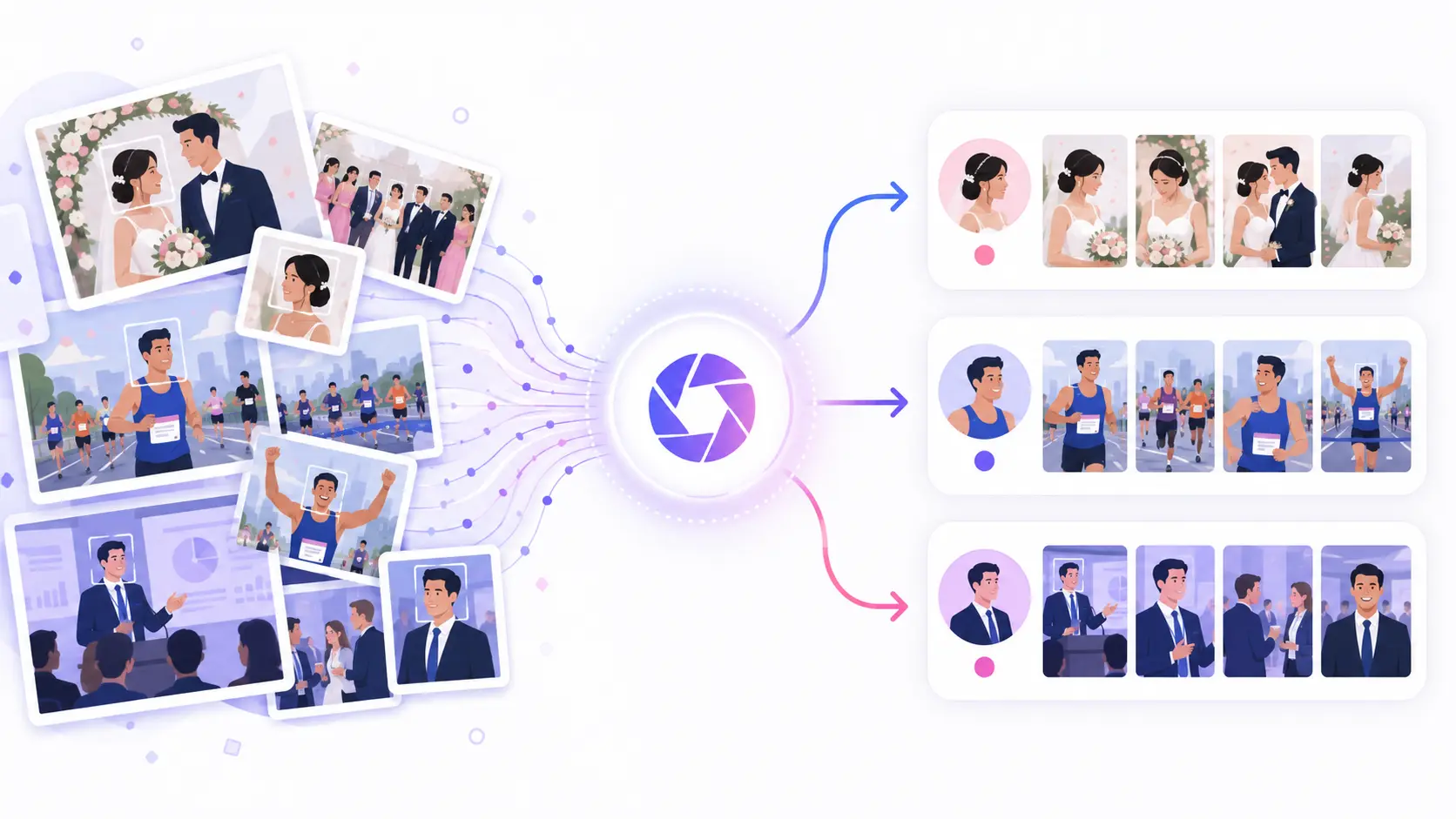
Lenzeit’s FaceLock™ technology solves this instantly. It ensures that 'Family A' never sees photos of 'Family B,' even if they were on the same bus. When a guest logs in (via selfie or code), the system acts as a firewall, showing them only their matched photos. This level of compliance allows you to serve conservative families and VIPs who would otherwise refuse to be photographed.
2. Turn Tourists into Marketers (The Viral Loop)
The most powerful marketing is User Generated Content (UGC). But UGC only works if it happens fast. If you send photos 3 days after the tour ends, the guest is already back at work. The excitement is gone.
With Lenzeit, you can deliver high-quality, branded photos to guests while they are still on the bus. Imagine this workflow: Your photographer shoots the group at a desert camp. By the time they sit down for dinner, their phones buzz. They open a personalized gallery, download a professional shot with your logo on it, and post it to Instagram Stories immediately.
You aren't just giving them a memory; you are equipping them to advertise for you. One bus of 50 happy tourists posting simultaneously can reach 50,000 potential new clients. That is free, authentic marketing you cannot buy.
3. Unlock New Revenue Streams
Many tour operators leave money on the table by giving away photos for free or, conversely, failing to sell them because the process is too hard. Lenzeit allows you to monetize effortlessly.
You can offer a 'Freemium' model: Low-resolution, watermarked images are free (great for social media marketing), but high-resolution, print-ready files cost $10. Or, bundle a 'VIP Photo Package' into your ticket price for an extra $50. Lenzeit handles the sorting, the gallery creation, and the delivery automatically. It’s pure profit with zero extra administrative work.
Conclusion: The Future is Automated
Scaling a tour business in the Middle East in 2026 requires a blend of old-school hospitality and new-school technology. You need the warmth of traditional Arabic hospitality, backed by the efficiency of AI automation.
By mastering cultural nuances, optimizing your logistics, and adopting a tool like Lenzeit to handle the complex 'memory management' of your guests, you position yourself as a premium, forward-thinking operator. You stop competing on price and start competing on experience. And in the tourism industry, experience is everything.