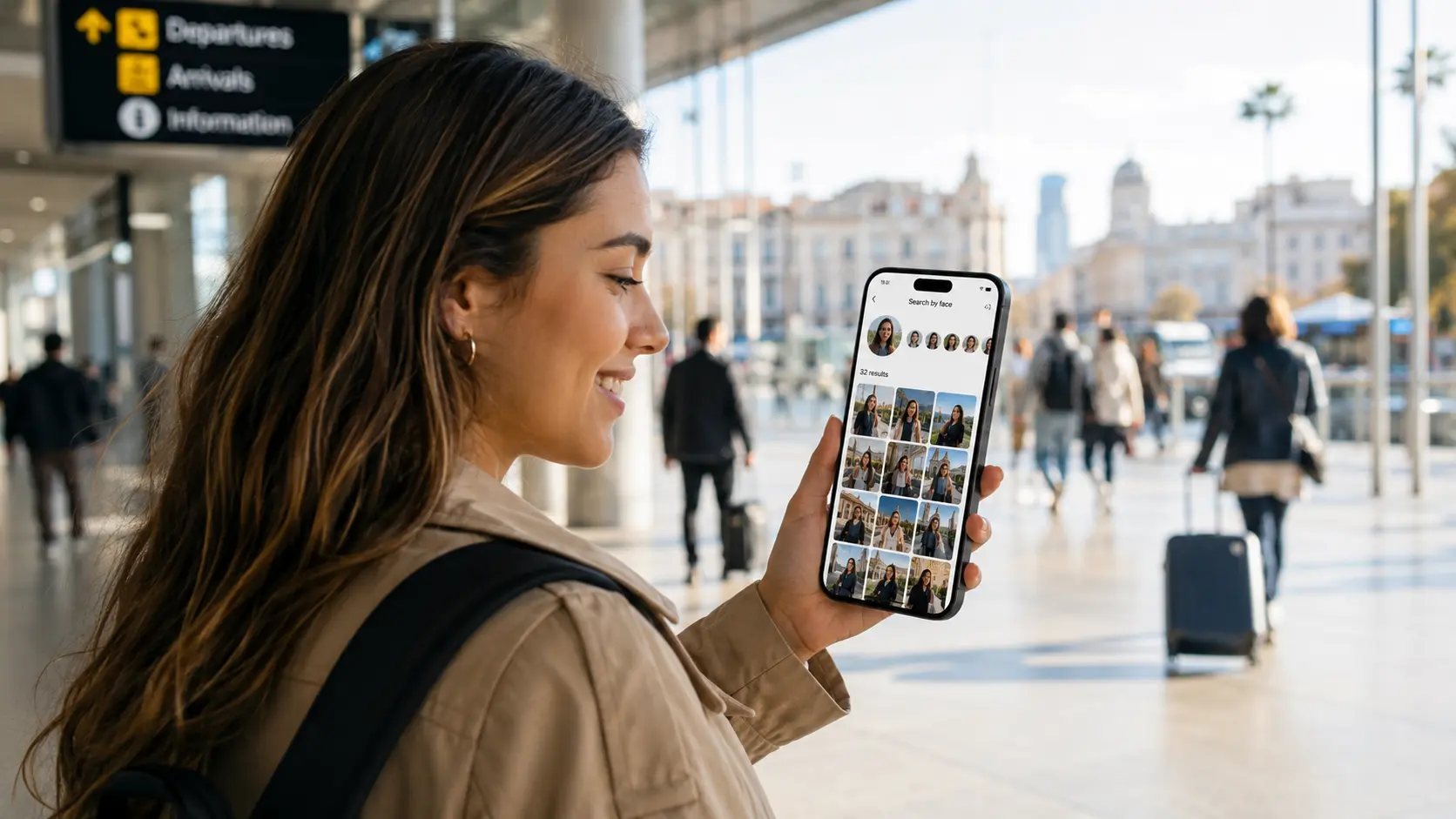

In 2026, the photographers who grow fastest combine three things: AI photo sorting, instant delivery, and built-in selling. Doing all three from one platform turns hours of admin into same-day revenue.
Managing thousands of images after a shoot has always been one of the most stressful parts of the photography workflow. When you return from a wedding, a sports event, or a day at a festival, your memory cards are full of RAW files that need to be organized, culled, edited, delivered to clients, and sometimes even sold. Traditionally, this meant hours of manual labor browsing through every frame, labeling duplicates, grouping images by subject, and then manually creating galleries to send to clients. In 2026, however, there’s a better way. Thanks to advances in AI photo sorting software, face recognition photo organizers, secure delivery portals, and built‑in e‑commerce tools, photographers can streamline every step of their workflow and transform their businesses.
Today’s clients expect more than just a set of images in a ZIP file. They want their photos sorted by face, delivered quickly, and ready to share on their favorite platforms. Brides and grooms hope to see their wedding photos on social media before the honeymoon ends; parents want to share sports shots with grandparents and friends within hours; corporate clients demand branded galleries that reflect their image. At the same time, photographers need to protect client privacy, safeguard image quality, and find ways to monetize their work. Balancing these needs can seem daunting, but using the right technology can make the process seamless.
In this comprehensive guide, we’ll explore how AI photo sorting & face recognition, seamless client delivery, and integrated photo selling can give your photography business an unbeatable edge in 2026. You’ll learn why these tools are no longer optional, how they address your clients’ highest priorities, and how you can integrate them into your workflow. We’ll also share a real‑world case study, pro tips, and best practices to ensure you make the most of these innovations.
Part 1: Why AI Photo Sorting & Face Recognition Matter
AI photo sorting software has evolved far beyond simple star ratings. Modern solutions use machine learning and computer vision to examine every aspect of your images sharpness, composition, emotion, and, most importantly, faces. The AI quickly separates technically flawed frames (e.g., blurred or overexposed) from usable shots, then identifies each person within the frame and tags them accordingly. This means that the software can automatically sort photos by face, giving every person in a group their own curated gallery. For photographers handling thousands of images, this saves countless hours and ensures no precious moment is overlooked.
- Eliminate duplicates instantly: AI sorting tools detect near‑identical frames and keep only the sharpest and most expressive shots.
- Sort by face automatically: Facial recognition photo organizers tag each subject, making it easy to create personal galleries for every client or guest.
- Save hours of manual labor: With AI photo sorting software, you can reduce the time spent sorting and organizing from days to minutes.
Beyond efficiency, AI face recognition helps ensure privacy. In some cultures and regions, sharing photos of women or children without consent is prohibited. AI can act as a privacy filter, ensuring each client or family only sees their own images and preventing accidental exposure of sensitive photographs. The same technology can also drive creative opportunities: because the AI has already grouped all images of a particular couple or VIP, you can easily create highlight reels, albums, or social media stories tailored to them. The result is a personalized client experience that feels thoughtful, organized, and premium.
Part 2: Seamless Client Delivery & Experience
Once your images are sorted, they need to be delivered. Gone are the days of emailing ZIP files or leaving clients to find their favorites in a shared drive. Secure client delivery portals sometimes called photographer client portals create a branded, password‑protected space where clients can view, select, and download their photos. Because these platforms are integrated with the AI sorting engine, each client sees only their images, and you control who has access to what. This level of organization isn’t just convenient; it’s a key selling point for modern photographers.
- Branded galleries: Customize your portal to match your brand colors and logo so clients feel like they’re in your studio.
- Secure photo delivery: Use encrypted URLs and password protection to ensure privacy without sacrificing ease of use.
- Client‑controlled downloads: Let clients pick their favorite shots and download them directly, saving you time answering “Can I get this photo?” emails.
Beyond security and branding, seamless delivery portals often support collaboration. Clients can leave comments on individual images, request edits, or mark favorites for albums. This eliminates endless email threads and makes client feedback tangible. You can also integrate the portal with your editing software or CRM so that when a client selects their favorite images, your workflow automatically updates to reflect their choices. In an age where personalized, high‑touch service sets businesses apart, investing in a secure client portal is a no‑brainer.
Part 3: Photo Selling & E‑Commerce
Selling event photos online used to be complicated. You needed a separate e‑commerce platform, manual uploads, and lots of back‑and‑forth with customers about file sizes, print options, and payment methods. Newer photo selling platforms and photo monetization software solve this by integrating e‑commerce directly into your galleries. Clients can click a ‘buy’ button next to any image, select print sizes or digital downloads, and pay instantly. You decide which images are free (for example, watermarked low‑resolution social media files) and which images cost extra (high‑resolution prints or albums), and the system handles everything from payment processing to delivery.
- ✓Set tiered pricing: Offer free social‑media‑ready downloads while charging for high‑resolution files or printed products.
- ✓Bundle your services: Sell VIP packages that include prints, albums, or behind‑the‑scenes footage along with the photos.
- ✓Automate fulfillment: Integrate with lab partners so that print orders go straight to production without manual intervention.
E‑commerce isn’t just for weddings or corporate events. Schools, sports clubs, conferences, and religious gatherings all generate memorable images that people want to own. By embedding a photo store directly into your client portal, you provide an easy path for clients to support your work financially. You can also offer coupon codes, seasonal promotions, or referral discounts to encourage repeat purchases. When you combine AI photo sorting with a robust selling platform, you turn what used to be an afterthought into a meaningful revenue stream.
Part 4: Comparing AI Photo Sorting Tools
With multiple AI photo sorting tools on the market, choosing the right one can be confusing. While a full comparison is beyond the scope of this article, it’s important to know which features matter most. Speed and accuracy are essential: can the software process thousands of images quickly, and does it reliably recognize faces? Consider the quality of its face recognition algorithms, its ability to integrate with your existing workflow (Lightroom, Capture One, or a cloud‑based system), and whether it offers a secure client portal and e‑commerce functionality. Pricing structures vary widely, from monthly subscriptions to pay‑per‑image fees. Finally, check what support and training resources are available; the best tools offer tutorials, webinars, and quick customer service.
- Processing speed: How quickly can it handle large events or high‑volume shoots?
- Accuracy & privacy: Does it reliably recognize faces and support privacy filters?
- Workflow integration: Can it export to your editing software or directly build galleries?
- E‑commerce integration: Does it support in‑gallery sales or connect with third‑party platforms?
- Pricing & support: Does the cost fit your business model, and is help available when you need it?
Reading independent reviews and testing the software yourself are essential steps. Many providers offer free trials, allowing you to process a real shoot and see how the features work in practice. When you compare options, don’t focus solely on the sticker price consider the time savings, additional revenue, and client satisfaction that a comprehensive AI photo sorting and delivery solution can provide.
Part 5: Case Study – From Chaos to Client Delight
Sarah, a wedding photographer in Islamabad, used to spend entire weekends sorting 3,000+ photos after each wedding. By Monday, she’d be exhausted, behind on editing, and still fielding dozens of messages from brides asking for previews. After switching to an AI photo sorting tool that uses face recognition, Sarah uploads the entire shoot and lets the software categorize images by couple, family, friends, and candid moments. It eliminates duplicates, identifies all key subjects, and delivers a curated set of ready‑to‑edit images in under an hour. Next, she publishes private galleries for each group, where clients can see and download their photos. Within minutes, brides share beautiful branded pictures on Instagram, and Sarah sees a spike in referrals.
What’s more, Sarah’s new system includes a built‑in photo selling platform. She offers free social‑media‑sized downloads to keep her branding circulating online, while high‑resolution images and prints generate additional revenue. Guests even pre‑purchase a discounted bundle of images as part of their ticket, guaranteeing sales. Thanks to automation, Sarah no longer spends evenings answering questions or chasing payments she spends that time shooting more weddings and refining her art. In less than a year, her business grows 40%, and she credits the transformation to adopting an all‑in‑one AI photo sorting, delivery, and selling solution.
Part 6: Best Practices & Pro Tips
- Plan for AI sorting from the start: Capture at least two clear shots of each subject during the shoot to improve face recognition accuracy.
- Use consistent file naming conventions: Properly tagged files (e.g., bride_001.jpg) make AI recognition even faster.
- Communicate with clients: Explain that their photos will arrive via a secure client portal and encourage them to explore the e‑commerce options.
- Customize your brand: Add your logo, adjust your portal colors, and ensure your meta descriptions and headings are SEO‑friendly so your galleries rank well.
- Monitor analytics: Many platforms offer analytics dashboards; check which images clients like and buy to refine your offerings.
🛡️ Privacy Matters
In some cultures and regions such as parts of the Middle East sharing images of women or children publicly can be sensitive or restricted. Use your AI tool’s privacy filters to ensure only the appropriate parties see specific photos. This not only builds trust but can also expand your client base by demonstrating cultural sensitivity.
Finally, remember that technology doesn’t replace artistry; it amplifies it. The best AI tools enable you to spend more time capturing beautiful moments and less time on administrative tasks. They help you deliver a professional, memorable, and secure experience for your clients, which turns them into loyal advocates for your business.
Conclusion: Elevate Your Business in 2026
The combination of AI photo sorting, seamless client delivery, and integrated e‑commerce is reshaping the photography industry. In 2026, a photographer’s success hinges on more than technical skill behind the lens it depends on their ability to manage data, protect privacy, and monetize their work without sacrificing creativity. By adopting an all‑in‑one solution for sorting photos by face, delivering them securely to clients, and offering easy online purchasing, you set yourself apart from competitors and tap into new revenue streams. Whether you’re shooting weddings, sports events, school portraits, or corporate galas, these tools allow you to meet your clients’ high expectations while freeing up your time to focus on what you love: creating unforgettable images.